What a Wonderful World chords
Louis ArmstrongSong Key: F Major
Time Signature: 4/4
Tempo: 72 bpm
Guitar Tuning: Standard (E A D G B e)
Skill Level: Intermediate 🟠
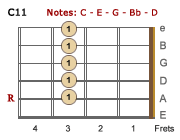
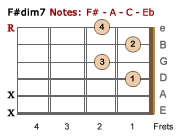
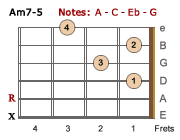
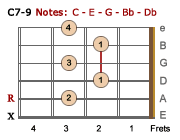
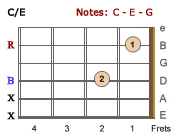
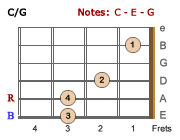
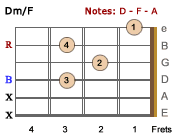
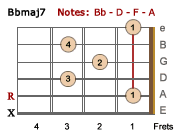
Chords: F, Faug, F#dim7, Gm7, A7, Am, Am7b5, B♭, B♭6, B♭maj7, C/E, C/G, C7, C7b9, C11, D♭, Dm, Dm/F
Chord Charts & Music Video
R-H Chord Charts

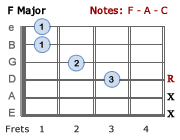
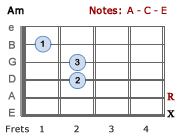
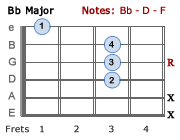
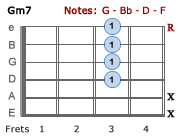
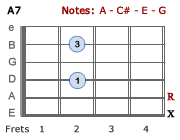
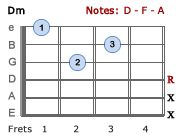
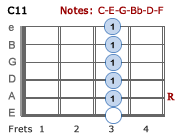
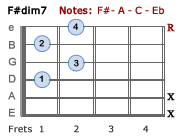
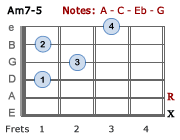
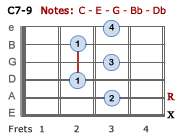
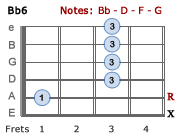
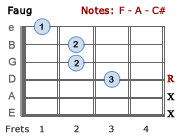
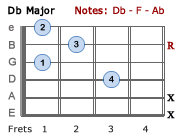
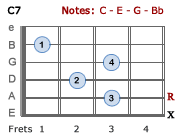
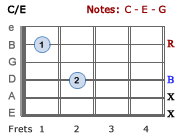
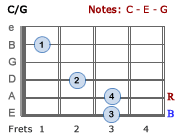
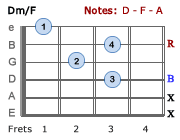
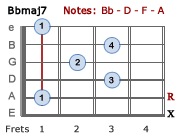
L-H Chord Charts

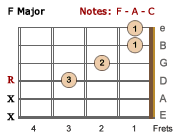
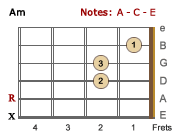
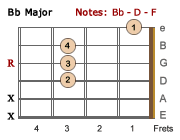
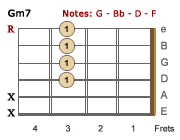
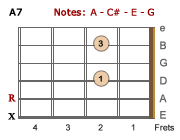
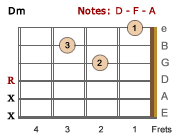
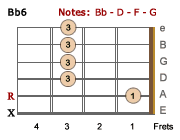
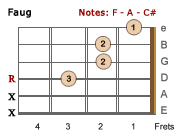
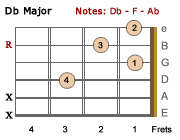
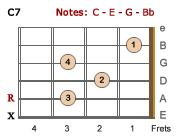
Music Video
What a Wonderful World
Song Key is highlighted - Transpose to any other key
                F      Bb    F      Bb
Intro: 4/4   ‖     -      |     -      ‖

         F        Am     Bb            Am
1. I see trees of green     Red ro-ses too
Gm7           F      A7            Dm
   I see them bloom     For me and you
         Db
   And I think to my-self
C11       C7            F        Faug    Bbmaj7     C7
   What a won-der-ful | world -        |         -      |

         F        Am      Bb              Am
2. I see skies of blue      And clouds of white
Gm7                    F     A7                  Dm
   The bright bles-sed day      The dark sa-cred night
         Db
   And I think to my-self
C11       C7            F          Bb    Bb     F
   What a won-der-ful | world -        |     -     |

            C7                           F
Bridge: The co-lors of the rain-bow   So pret-ty in the sky
            C7                        F
        Are al-so on the fa-ces    Of peo-ple go-in' by
              Dm               C/E              Dm/F       C/G
        I see friends sha-king hands    Sayin', "How do you do?"
     Dm/F               F#dim7     Gm7  F#dim7  C7
        They're real-ly say-ing    I    love    you

          F       Am     Bb             Am
3. I hear ba-bies cry      I watch them grow
Gm7                   F            A7         Dm
   They'll learn much more    Than I'll e-ver know
         Db
   And I think to my-self
C11       C7            F        Am7b5     D7
   What a won-der-ful | world -         |      |
         Gm7
   Yes I think to my-self
C7b9                          F     Bb6    F
   What a won-der-ful world |    -       |   Oh Yeah |...
                                                 𝄑
Please Note: If you use the Transposer and return back to the Original Key of F, you will find F#dim7 replaced with Gbdim7. They are actually the same chord (enharmonic equivalents). If you prefer to see F#dim7, simply refresh the page.
Arrangement Details:
- Key Signature: F Major - 1 flat (Bb)
- Time Signature: 4/4 — Four quarter-note beats per measure
- Tempo: Slowly
- Metronome: ♩ = 72
- Voice Range: C4 - D5
Chord Types in This Arrangement:
| Chord Types | Formula | Chords |
|---|---|---|
| Major | 1-3-5 | F, Bb, Db |
| Dominant 7th | 1-3-5-b7 | A7, C7 |
| Major 7th | 1-3-5-7 | Bbmaj7 |
| Minor | 1-b3-5 | Am, Dm |
| Minor 7th | 1-b3-5-b7 | Gm7 |
| 6th | 1-3-5-6 | Bb6 |
| Augmented | 1-3-#5 | Faug |
| Diminished 7th | 1-b3-5-6 | F#dim7 |
| Dominant 11th | 1-3-5-b7-9-11 | C11 |
| Slash | 1-3-5/Bass 1-b3-5/Bass |
C/E, C/G Dm/F |
| Altered | 1-b3-b5-b7 1-3-5-b7-b9 |
Am7b5 (half‑diminished) C7b9 (dominant 7th with altered 9th) |
Playing Tips:
Triplets: This song is played slowly with the guitar picking in triplet time- A triplet means three evenly spaced notes played in 1 beat.
- The time signature is 4:4 time therefore the count in each bar is
| 1 2 3 4 | or | 1+ 2+ 3+ 4+ | where 1 beat in this case is 1+, etc. - Because the guitar is playing in triplet time, the count per bar is
| 1++ 2++ 3++ 4++ |. - Listen closely, and take note of the guitar finger-picking.
Chord charts:
These have been included for players wanting to play open chords in the first position with the exception of B♭maj7, C11, C7-9, and Gm7.
- All chord positions are located on the first 3 frets so you don't have to go very far when moving from one chord to the next.
- These chords can be played in several positions, so if you like being a 'kamikaze' player, you can play these chords wherever you like.
- If you have trouble with any other chords, go to the 'guitar chords' page and choose any chord type you need to learn or revise.
- This is a great song for jazz guitarists with some nice open chords which jazzists will really appreciate. You can play barre chords, but the open chords sound very nice, especially if you are finger-picking.
Song Charts:
- Wherever you see 2 chords with a hyphen between them, it means the beat count is shared equally, so in this case where the time signature is 4/4, the first chord is played for 2 beats and the second chord is played for 2 beats, e.g., | F - B♭ | indicates 2 beats on F and 2 beats on B♭.
- b5, b9 and aug chords can also be written as -5, -9, and + chords:
- Am7-5 = Am7b5
- C7-9 = C7b9
- F+ = Faug
- Wherever you see slash chords such as C/E, C/G, or Dm/F, the note after the slash tells you which bass note to play.
- Dm/F → a Dm chord with F in the bass
- C/G → a C chord with G in the bass
- C/E → a C chord with E in the bass
The upper chord stays the same — only the bass note changes, creating smooth movement between chords and adding musical interest.
- C/E can technically be played as 032010, which is just a standard C chord with the low E added on the 6th string. That note is usually omitted in open‑position C shapes, but it still counts as a valid C/E voicing.
However, in this progression it doesn’t sit as well after Dm, because the low 6th‑string E creates a heavier, less focused sound. That’s why the voicing xx2010 works better here — the bass note E is on the 4th string, omitting strings 5 & 6 altogether. This keeps the bass line clean and controlled, giving you the smooth stepwise movement you want.
This song includes a vast array of chords – some simple, while others may be foreign to many of you. However, once you learn these chords, you will find they are not so hard, and in some cases fairly easy.

Song Details:

- Songwriters: Bob Thiele, George David Weiss.
- Lyrics Begin: I see trees of green, red roses too, I see them bloom for me and you,
- Genre: Pop, R&B
- Featured Artist: Louis Armstrong
- Single:
Recorded: August 16, 1967 (New York)
Released: September 1967
B-side: Cabaret - Album: What a Wonderful World
Released: 1968 - Biography - Louis Armstrong
You may also like:
| Song / Artist | Capo | Key | Chords |
|---|---|---|---|
| Anniversary Song - Andy Williams | +1 | Dm | Dm, Em, F, Gm, A7, Bb6, C9 |
| Everybody Loves Somebody - Dean Martin | +1 | D | D, D7, Dmaj7, E7, Em, Em7, Fm7, F#m7, F#7, G, G6/9, A7, Am7, B7, Bm, Bm7 |
| Hello, Dolly! - Louis Armstrong | - | C | C, Cmaj7, C6, Cdim7, D, Dm, , Dm7, Dm(M7), Dm7(add11), D9, D9#5, D13, Em, E7, G7, G9, Am, Bb |
| Moon River - Andy Williams | +1 | C | C, C7, C6, Dm, Dm6, Dm7, Eb, E7, Em, Em7, F, F7, G7, Ab, Am, Am6, Am7, Bb7b5, B7 |
| My Way - Frank Sinatra | - | D | D, Em, F#m, G, Gm, A7, Am, B7, Bm |