She Loves You chords
by The BeatlesSong Key: G Major
Time Signature: 4/4
Tempo: 150 bpm
Guitar Tuning: Standard (E A D G B e)
Skill Level: Beginner 🟢
Chords: G, A7, Bm, Cm, D, D7, Em
Chord Charts & Music Video
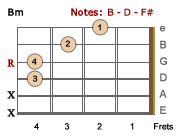
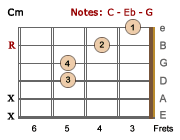
R-H Chord Charts

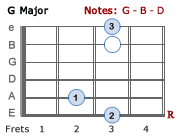
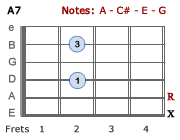
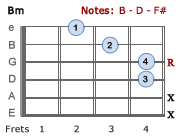
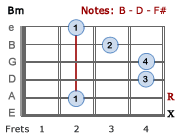
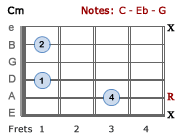
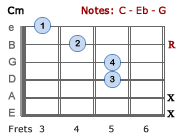
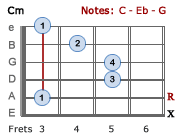
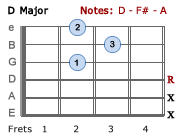
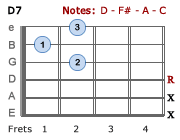
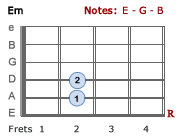
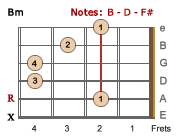
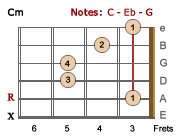
L-H Chord Charts

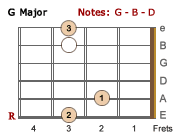
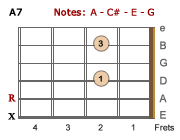

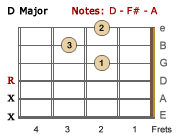
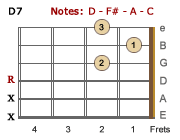
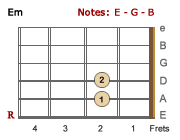
Music Video
Speed: x0.1
She Loves You
Song Key is highlighted - Transpose to any other key
            Em
Chorus: She loves you, yeah, yeah, yeah
            A7
        She loves you, yeah, yeah, yeah
            C                            G
        She loves you, yeah, yeah, yeah, yeah |  %  |

       G                      Em
1. You think you've lost your love
           Bm              D
   Well, I saw her yes-ter-day
        G                   Em
   It's you she's think-ing of
           Bm              D
   And she told me what to say

                      G
Refrain: She says she loves you
                                    Em
         And you know that can't be bad
                  Cm
         Yes, she loves you
                                    D
         And you know you should be glad

       G                 Em
2. She said you hurt her so
       Bm               D
   She al-most lost her mind
       G                Em
   But now she said she knows
          Bm               D
   You're not the hurt-ing kind

                      G
Refrain: She says she loves you
                                    Em
         And you know that can't be bad
                  Cm
         Yes, she loves you
                                    D
         And you know you should be glad, ooh

            Em
Chorus: She loves you, yeah, yeah, yeah
            A7
        She loves you, yeah, yeah, yeah
               Cm
        With a love like that
            D7                 G
        You know you should be glad

       G               Em
3. You know it's up to you
     Bm               D
   I think it's on-ly fair
   G                   Em
   Pride can hurt you, too
     Bm            D
   A-pol-o-gize to her

                      G
Refrain: She says she loves you
                                    Em
         And you know that can't be bad
                  Cm
         Yes, she loves you
                                    D
         And you know you should be glad, ooh

            Em
Chorus: She loves you, yeah, yeah, yeah
            A7
        She loves you, yeah, yeah, yeah
               Cm
        With a love like that
            D7                 G       Em
        You know you should be glad |      |

              Cm
Outro: With a love like that
           D7                 G       Em
       You know you should be glad |      |
              Cm
       With a love like that
           D7                     G
       You know you should.... be glad | % |
    Em
       Yeah, yeah, yeah
     C                   G
Yeah, yeah, yeah, yeahArrangement Details:
- Key Signature: G Major - 1 sharp (F#)
- Time Signature: 2/2 — Two half-note beats per measure
- Tempo: Moderately
- Metronome:
♩ = 150 OR
h = 75 (h represents a half-note) - Voice Range: D4 - D6
Chord Types in This Arrangement:
- Major chords: G (I), D (V)
- Minor chords: Bm (iii), Cm (borrowed chord from parallel minor), Em (vi)
- Dominant 7th chords: D7 (dominant of G), A7 (secondary dominant, V of V)
A7 as a Secondary Dominant (V of V)
- In the key of G major, the primary dominant (V) is:
D major (D–F#–A) - If we ask: What is the dominant of D? The dominant of D is:
A major (A–C#–E) - And when we add the 7th, we get:
A7 (A–C#–E–G) - So A7 is the dominant of D, which makes it:
V of V
(“five of five”)
This is exactly what a secondary dominant is: a dominant chord that temporarily tonicizes another chord within the key. - What “tonicizes” means
To tonicize a chord means: To make a chord temporarily feel like the tonic (the “home” chord), even though it isn’t the actual key of the song. It’s like shining a spotlight on a chord for a moment so it feels more important than usual.
Why Cm Appears in G Major
- Parallel Keys: Every major key has a parallel minor (same tonic, different scale). G major ↔ G minor.
- Borrowed Chords: You can “borrow” chords from the parallel minor to add color. In G minor, the iv chord is Cm.
- In G Major: Normally the iv chord would be C major. Borrowing Cm instead introduces a darker, more dramatic sound.
- Theory Breakdown:
G Major diatonic chords:
G (I), Am (ii), Bm (iii), C (IV), D (V), Em (vi), F#° (vii°). - G Minor diatonic chords:
Gm (i), Adim (ii°), Bb (III), Cm (iv), Dm (v), Eb (VI), F (VII). - Borrowed chord:
Cm (iv from G minor) can be used in G major progressions to add tension or mood.
Beginner Guitarists:
- Open chord voicings for Bm and Cm have been included in the charts above which are both easy to play.
- One of the Cm shapes is identical to the Bm voicing, just moved up one fret (starting on the 3rd instead of the 2nd).
- The alternative open voicing for Cm takes a bit of getting used to, but sounds very nice.
- If you can play barre chords, Bm and Cm are very easy. Like the open chord versions, they share the same shape but are 1 fret apart.
Song Details:
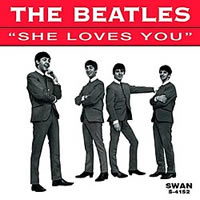
- Songwriters: John Lennon & Paul McCartney
- Lyrics Begin: She loves you, yeah, yeah, yeah...
- Featured Artists: The Beatles
- Genre: Rock and roll, pop, rock
- Single:
Recorded: 1 July 1963
Released: 23 August 1963 (UK), 16 September 1963 (US)
B-side: I'll Get You
Other Beatles songs you may like:
| Song | Key | Core Chords |
|---|---|---|
| Can't Buy Me Love | C | C, Am, Em, Dm7, G, G7, F7 |
| Don't Let Me Down | E | E, Emaj7, Esus4, F#m. F#m7, A, B7 |
| Eight Days a Week | D | D, E, G, A, Bm |
| A Hard Days Night | G | G, G7sus4, A, Bm, C, C7, D7, Em, F |
| I Want To Hold Your Hand | G | G, B7, C, D, Dm7, Em |
| Love Me Do | G | G, G7, C, D |